
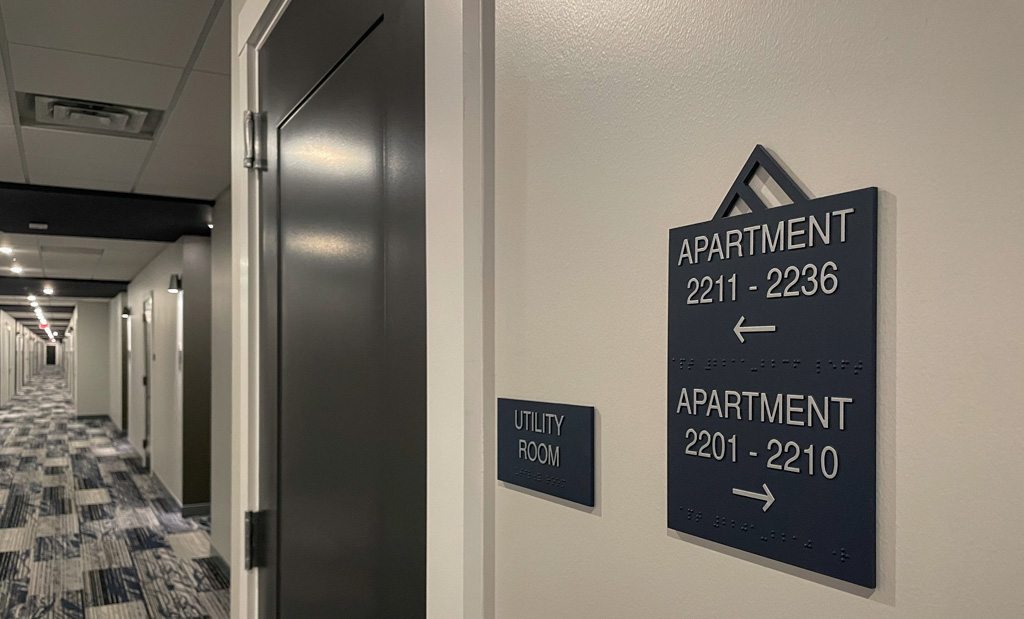
Apartment ada signs
Modern apartments offer comfortable, efficient living spaces designed for convenience and style. They typically feature well-planned layouts, natural lighting, and essential amenities like kitchens, bathrooms, and storage. Many apartment complexes include shared facilities such as parking, security, and recreational areas. Ideal for individuals and families, apartments provide a practical housing solution in urban and suburban settings, balancing affordability with accessibility to workplaces, schools, and daily necessities.
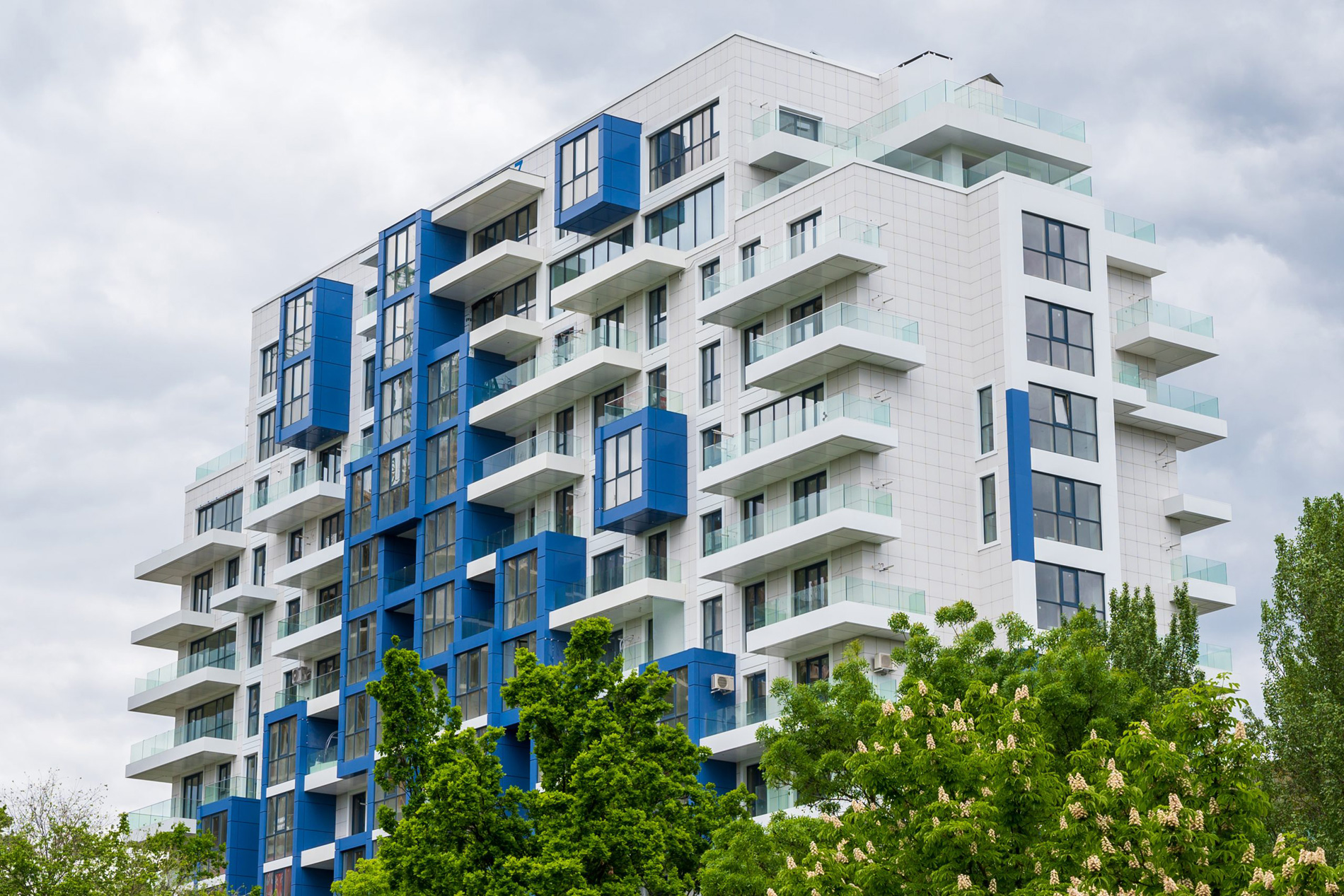
Condominiums
Condominiums, or condos, are residential properties where individuals own their private units within a larger building or community. Owners share common areas such as hallways, gardens, parking, and recreational facilities. A homeowners’ association manages maintenance and services, funded by monthly fees. Condos offer a balance of ownership and shared responsibility, making them a popular choice for convenient, community-oriented living in urban and suburban environments.
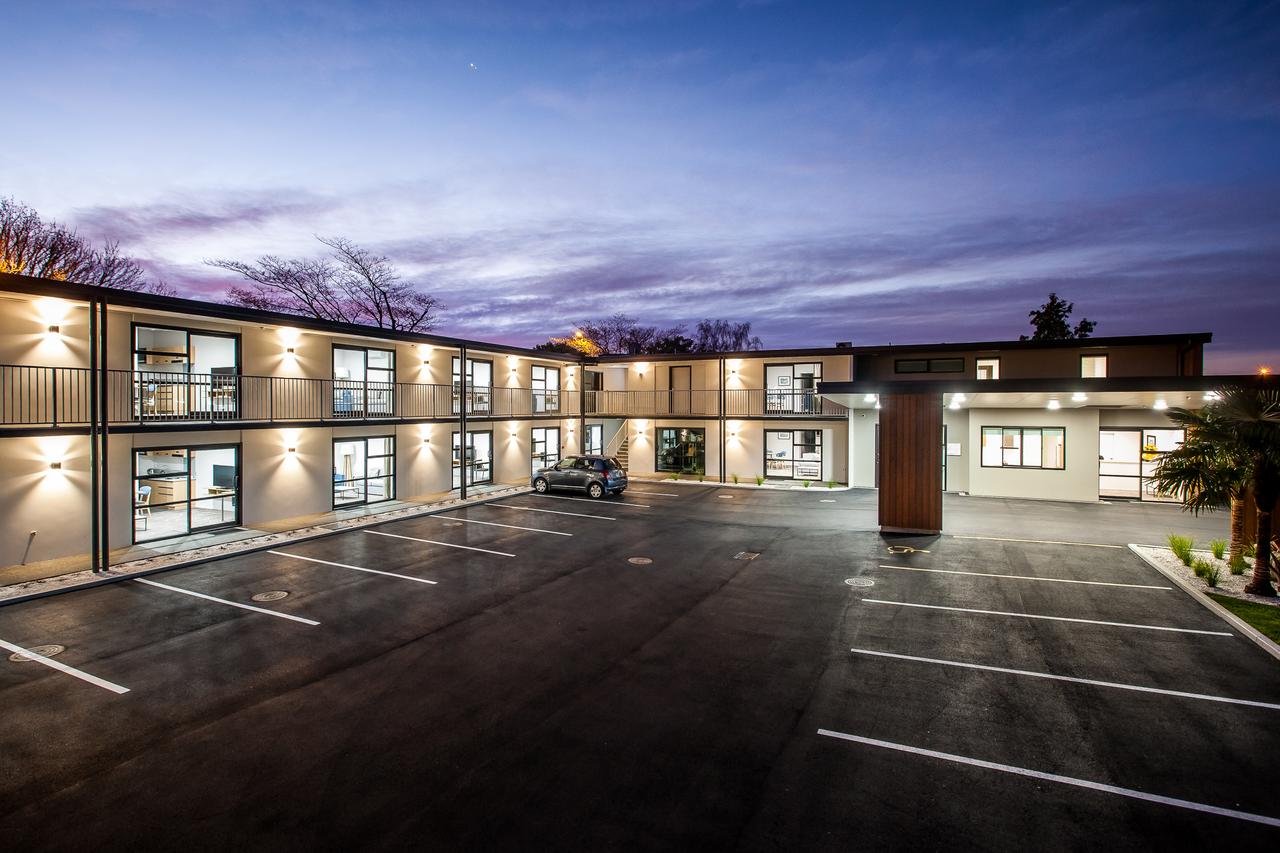
Hotel Motels
Hotels and motels provide short-term accommodation for travelers, offering rooms with essential amenities such as beds, bathrooms, and often food services. Hotels usually include additional facilities like restaurants, room service, and recreational options, catering to longer stays and comfort. Motels are typically designed for motorists, with easy parking access and simpler services, making them convenient and budget-friendly options for overnight or short stays.
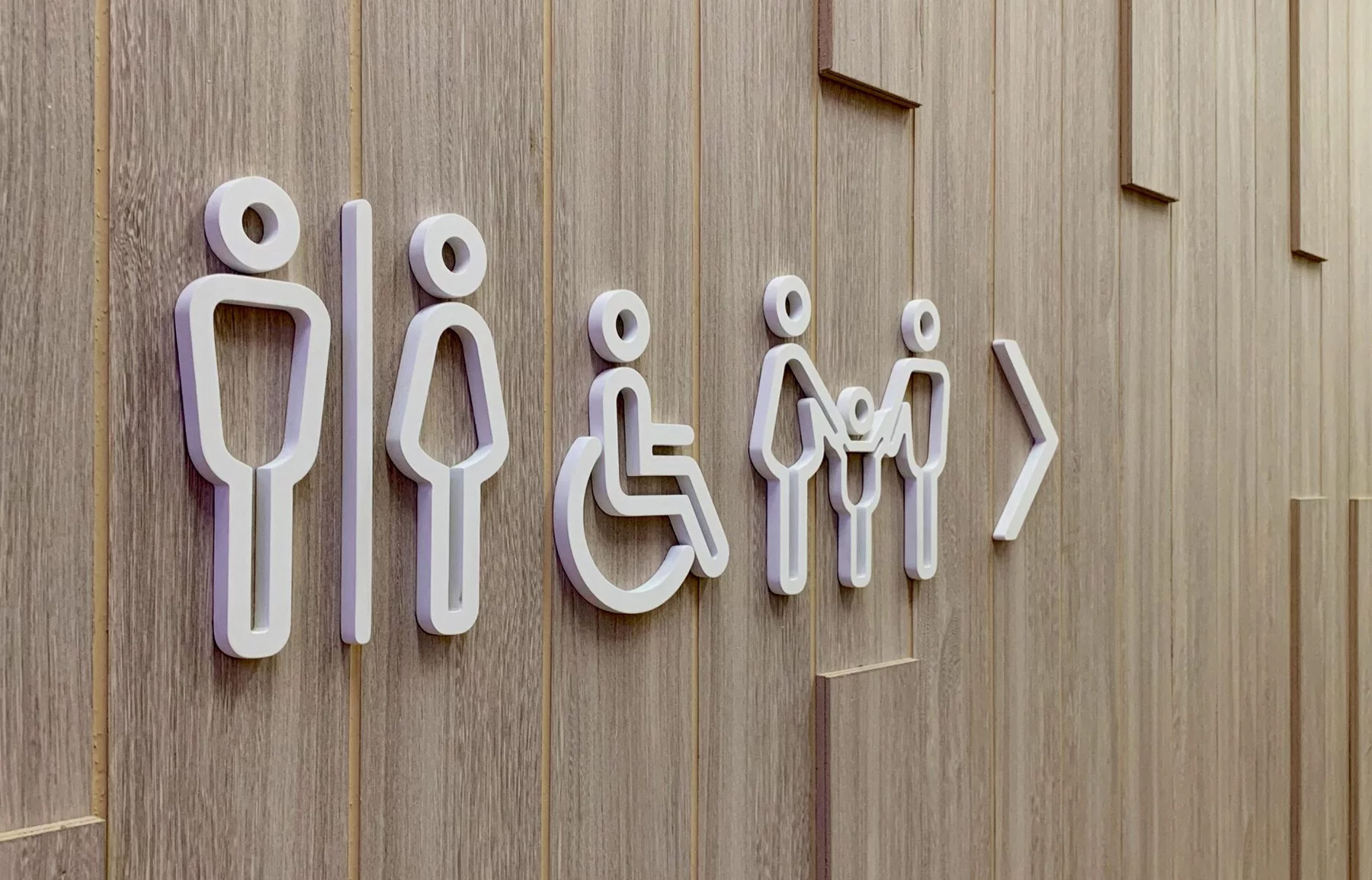
Custom ADA Signs
Custom ADA signs are specially designed signs that comply with the Americans with Disabilities Act, ensuring accessibility for everyone. They include features like braille, raised text, high-contrast colors, and clear fonts for easy readability. These signs are commonly used in public buildings, offices, and facilities to identify rooms, exits, and directions, helping people with visual or physical disabilities navigate spaces safely and independently.

Slide In Collection
Slide-In Collection refers to a range of products, often kitchen appliances or furniture, designed to fit seamlessly into existing spaces or cabinetry. These items slide easily into place, creating a built-in, streamlined look without extensive installation. Common examples include slide-in ranges and storage units. The collection combines functionality, modern design, and space efficiency, making it ideal for contemporary homes seeking a clean and integrated appearance.
ADA Accent Signs
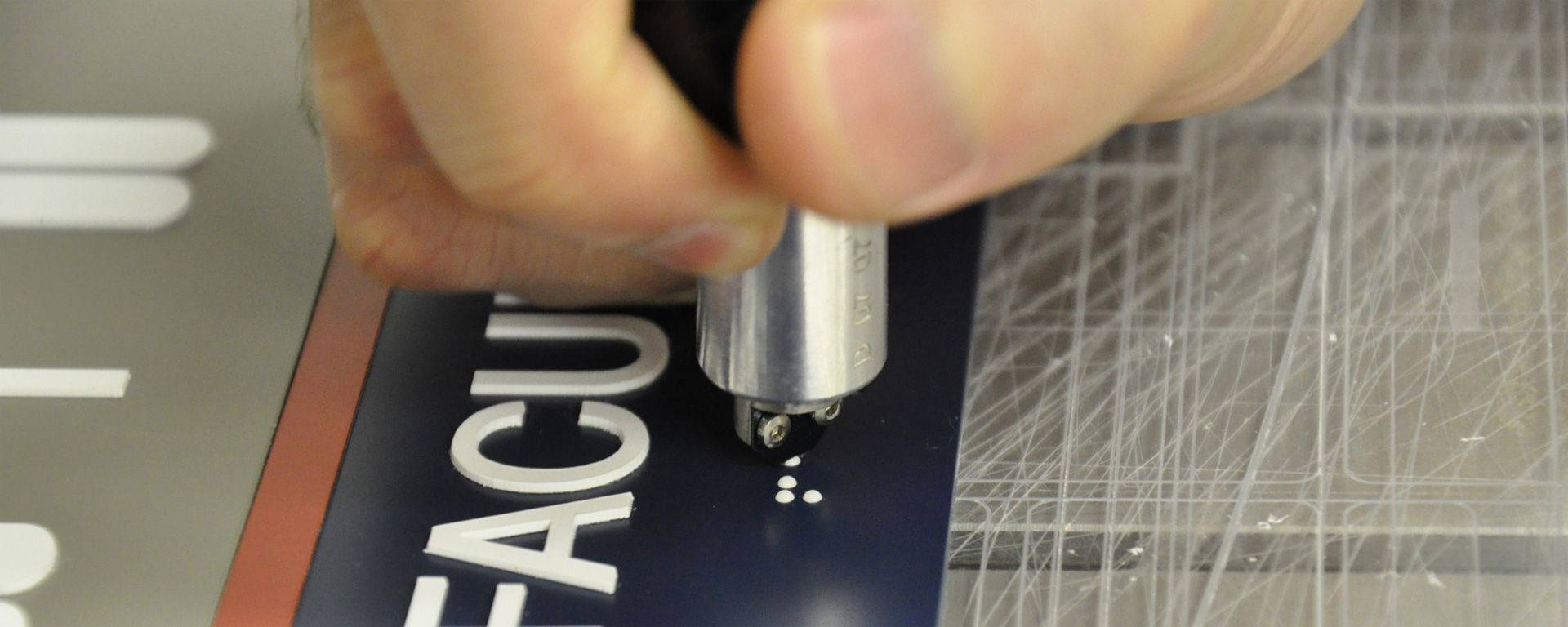
ADA Accent Signs are decorative yet functional signs designed to meet accessibility standards under the Americans with Disabilities Act. They combine compliant features like braille, raised characters, and high-contrast colors with stylish designs that complement interior décor. Commonly used in offices, hotels, and public spaces, these signs enhance wayfinding while adding a visually appealing touch, ensuring spaces remain both inclusive and aesthetically pleasing.
ADA For Hospitals
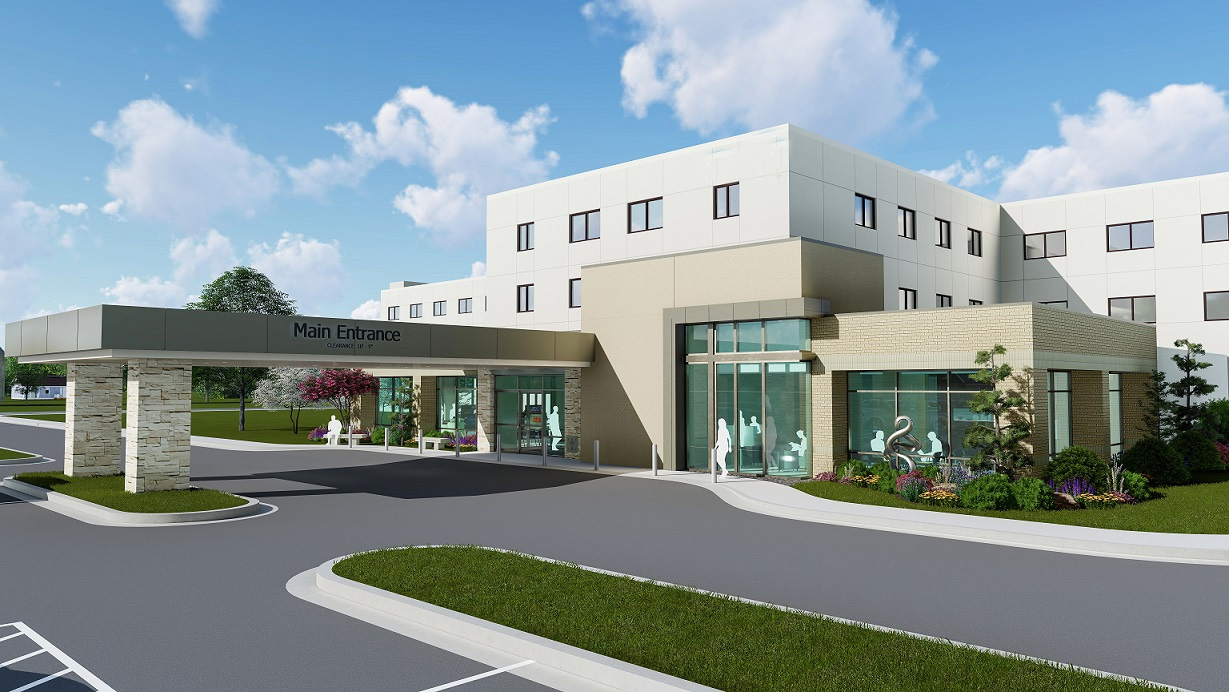
ADA for hospitals refers to accessibility standards that ensure healthcare facilities are usable for people with disabilities. These include features like wheelchair-accessible entrances, ramps, elevators, wide corridors, and properly designed restrooms. Signage with braille and clear directions helps navigation, while accessible patient rooms and equipment improve care. Following ADA guidelines promotes safety, equal access, and a more inclusive environment for patients, visitors, and staff.
Slide-In ADA Signs
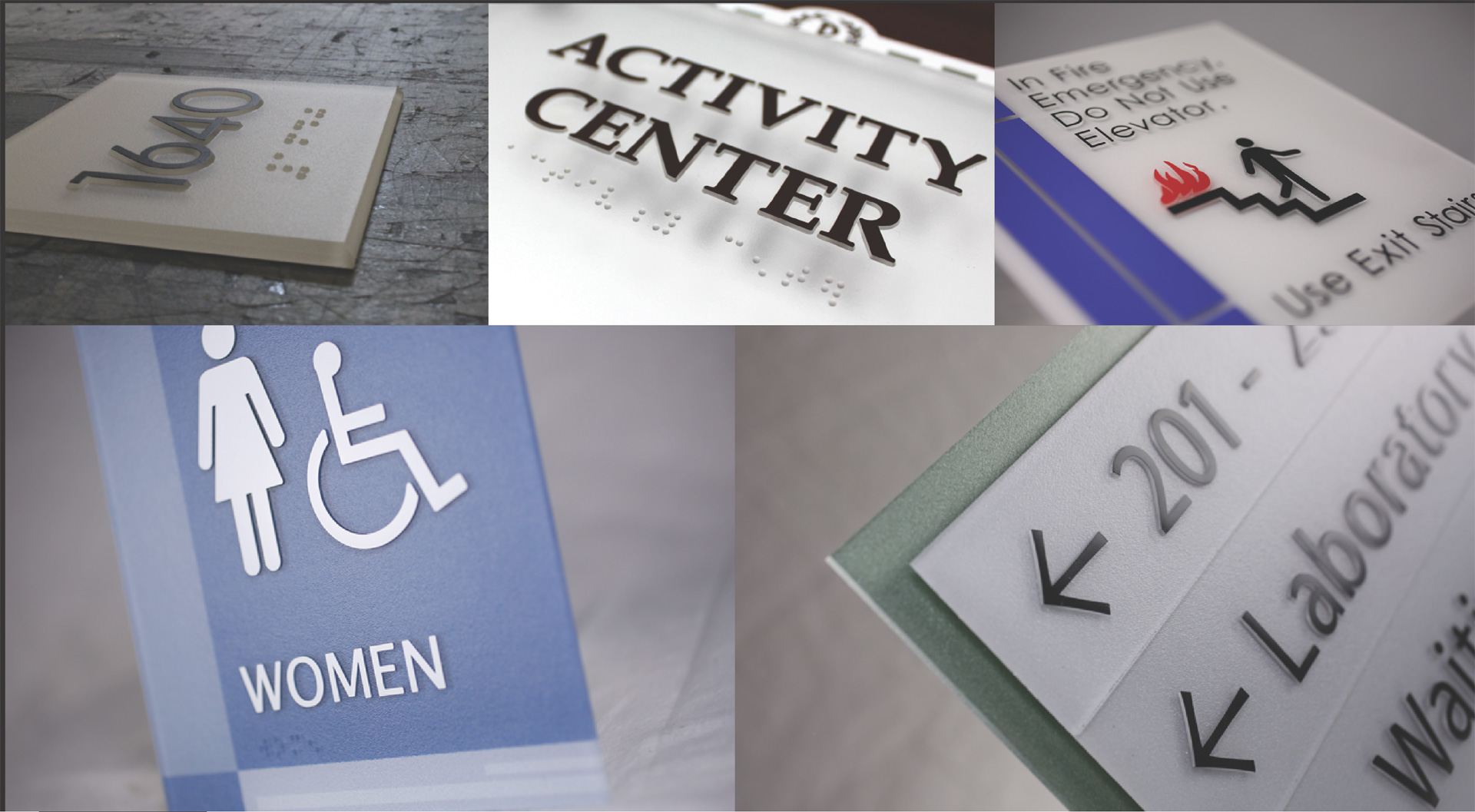
Slide-In ADA signs are modular signage systems designed to meet accessibility standards while allowing easy updates. They feature braille, raised text, and high-contrast visuals for readability, along with a frame that lets inserts slide in and out without replacing the entire sign. Commonly used in offices, hospitals, and public buildings, they offer flexibility, durability, and compliance while maintaining a clean, professional appearance.
ADA Projects
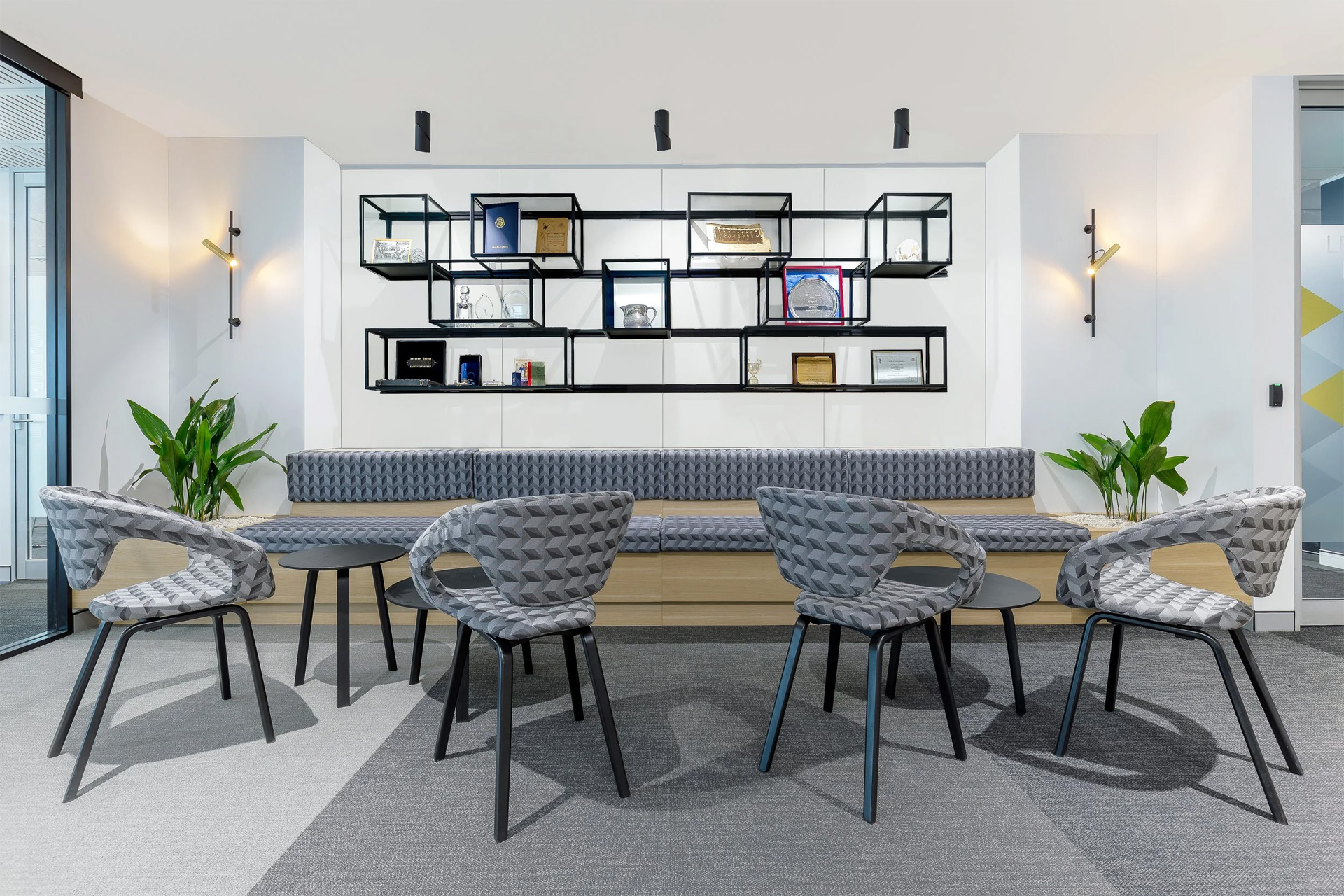
ADA Projects refer to construction or renovation works designed to comply with the Americans with Disabilities Act, ensuring accessibility for all individuals. These projects include installing ramps, elevators, accessible restrooms, signage with braille, and widened pathways. They are commonly implemented in public buildings, schools, hospitals, and workplaces. The goal is to create safe, inclusive environments that allow people with disabilities to move, access, and use facilities independently and comfortably.

ADA Directories
ADA Directories are accessibility-compliant directory systems used in buildings to help people easily locate rooms, offices, or facilities. They include features like braille, raised text, and high-contrast lettering to support visually impaired users. Commonly installed in hospitals, offices, and public spaces, these directories improve navigation, enhance user experience, and ensure compliance with ADA standards while providing clear and organized wayfinding information for all visitors.
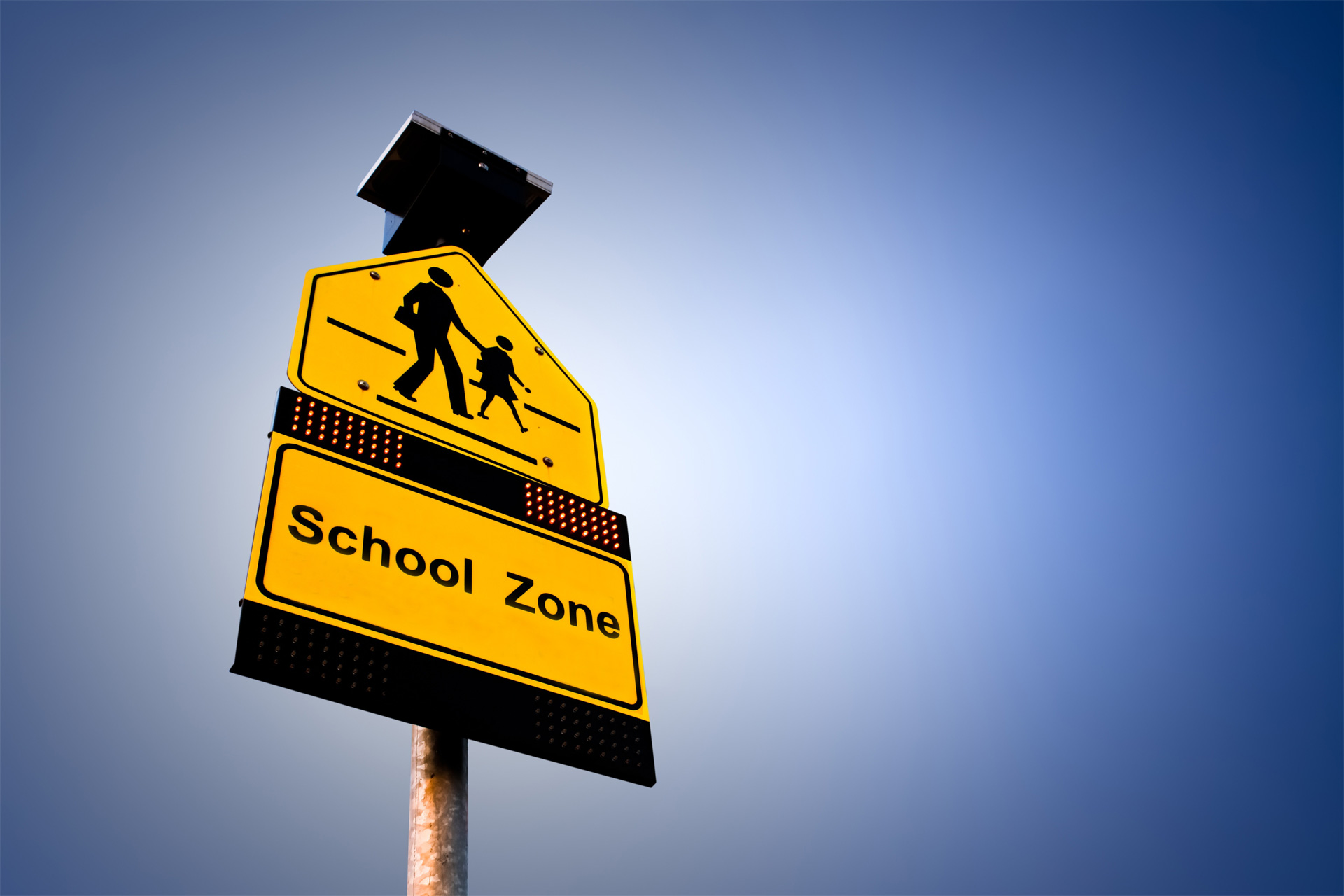
School ADA Signs
School ADA Signs are accessibility-compliant signs used in educational institutions to ensure safe and easy navigation for all students, staff, and visitors, including those with disabilities. They feature braille, raised lettering, and high-contrast visuals for better readability. Common applications include classroom identification, restroom signs, exits, and directional signage. These signs help create an inclusive learning environment while meeting ADA standards and promoting equal access throughout the school campus.

ADA Compliance
ADA Compliance refers to following the standards set by the Americans with Disabilities Act to ensure that buildings, services, and public spaces are accessible to people with disabilities. This includes features like ramps, elevators, accessible restrooms, proper signage with braille, and barrier-free pathways. ADA compliance promotes equal access, safety, and inclusivity in workplaces, schools, hospitals, and public areas, allowing everyone to use facilities independently and comfortably.